Few breeds generate as much affection at first glance as the Beagle. Those soft floppy ears, the soulful brown eyes, the compact tricolour coat, it is easy to understand why this cheerful hound consistently ranks among the most popular family dogs in the United Kingdom. But popularity and suitability are two very different things, and this is precisely where many new owners go wrong.
Understanding beagle breed characteristics before you commit is not optional; it is essential. Beneath that good-natured, tail-wagging exterior lives a scent hound with deep hunting instincts, a powerful voice, and an exercise appetite that surprises unprepared owners. The honest picture is more demanding than the glossy one.
This guide is built around the real questions prospective UK buyers ask before making a decision. You will find straightforward answers covering temperament, daily exercise needs, vocalization, training realities, health considerations, lifetime costs, and how to find a reputable breeder. By the time you reach the final section, you will have everything you need to decide, with genuine confidence, whether a Beagle belongs in your home.
What Is a Beagle? Origins, Classification, and First Impressions
The Beagle’s history, character, and breed essentials are rooted in one straightforward fact: this is a working scent hound, not a companion breed that happened to look appealing. The Royal Kennel Club classifies the Beagle firmly within the hound group, and the breed descends from scent hound lines with roots in ancient Britain and continental Europe, developed for pack hunting of hare.
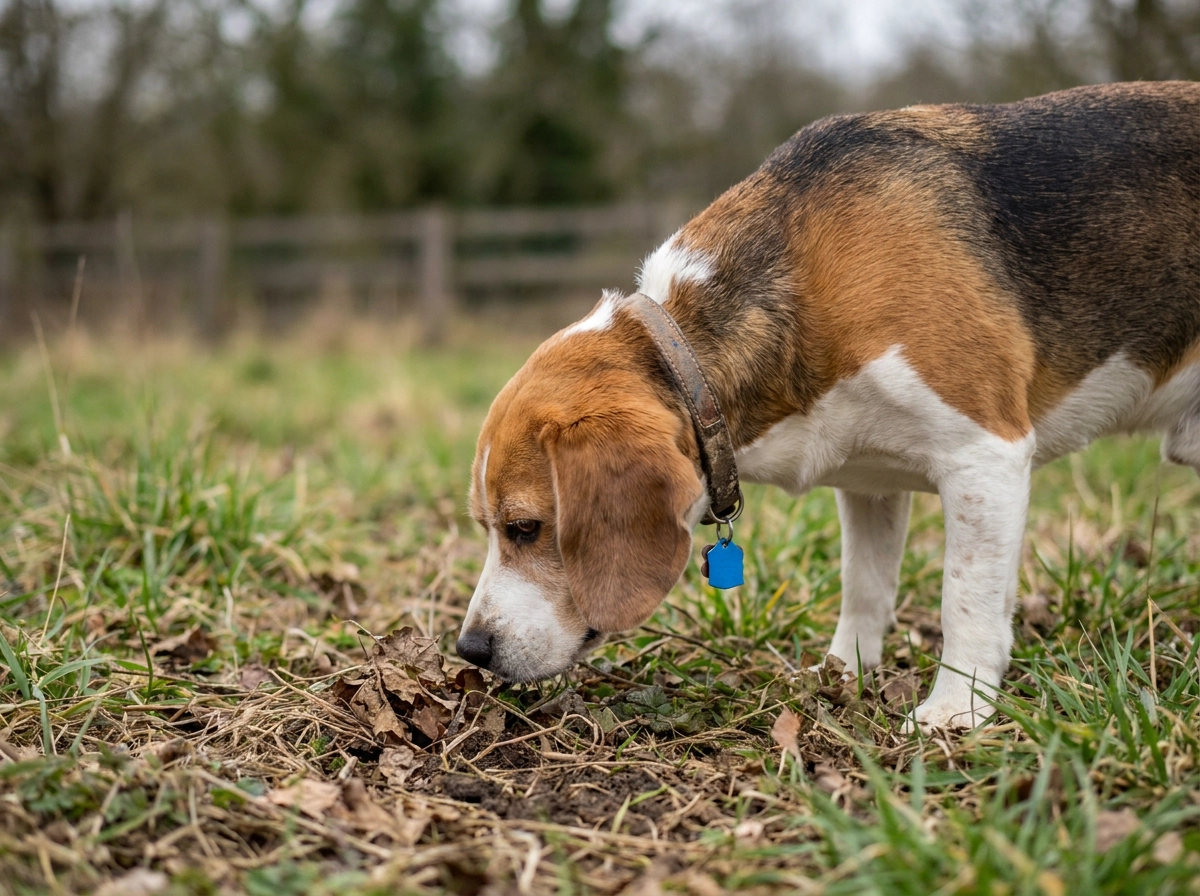
Every physical feature reflects that function. The soft, floppy ears help channel ground scent upward toward the nose. The strong jaw, compact muscular body, and short dense coat are built for endurance across fields and woodland, not for the show ring. When people note the resemblance to a small Foxhound, they are observing centuries of working-dog selection, not coincidence.
Coat and size at a glance:
- Tricolour (white, black, and tan patches) is the most recognised pattern
- Lemon and white, red and white, and other bicolour combinations all fall within breed standards
- Weight typically runs between 20 and 30 pounds
- Height at the shoulder is typically in the medium-small range, verify the current Kennel Club breed standard for the precise figure
That size is frequently underestimated. A Beagle at around 25 pounds carries the stamina and drive of a dog bred to work all day in open country. Compact does not mean low-energy.
The traits that made Beagles exceptional in the field, a powerful nose, persistent independence, and a voice that carries across open ground, are the same traits that create the most common ownership challenges today.
Beagle Temperament and Character: The Honest Version
That hunting heritage explains the character beneath the charm. The beagle’s reputation as a friendly, curious, merry companion is accurate, but it is not the complete picture, and prospective owners deserve the rest of it.
Good-natured and sociable by design. A pack-bred working hound, the beagle’s history produced a dog that is genuinely tolerant of people, children, and other dogs. The beagle temperament at a glance confirms what experienced owners consistently report: warmth and sociability are baked into the breed, not a function of individual upbringing alone.
The pack instinct cuts both ways. A dog bred never to be alone does not cope well with solitude. Beagles left for extended periods are prone to distress behaviours, vocalisation, destructive activity, and attempts to escape, rooted in their pack-bred nature. These are not behavioural quirks; they are predictable responses to an environment the breed was never designed to tolerate. This is addressed fully in the vocalization and training sections, but the root sits here, in temperament.
Excellent with children, with one qualification. The beagle’s sturdy build, high energy tolerance, and gentle disposition make it genuinely compatible with active family life. Rough-and-tumble play rarely overwhelms the breed. Supervision with very young toddlers remains necessary, as with any dog, but the beagle’s baseline temperament makes it one of the more reliably child-safe medium breeds.
Stubbornness is a feature, not a fault. Scent hounds evolved to follow a trail to its end, independent of instruction. When a beagle locks onto a smell and ignores your recall, it is doing precisely what centuries of selective breeding optimised it to do. Owners who understand this plan their management accordingly rather than expecting to correct it away through training.
Affectionate but independent. Playfulness and warmth persist across the beagle’s lifespan, but first-time buyers who expect the deferential, eager-to-please responsiveness of a retriever will be surprised. The beagle engages on its own terms. That independence is part of its considerable appeal, provided the household is prepared for it.
Exercise Requirements: What Beagles Actually Need Daily
That active temperament covered above has a practical consequence: the beagle is not a dog you can exercise casually and call it done.
The beagle needs substantial daily exercise across multiple sessions, at least an hour and ideally more, depending on age and condition. A single twenty-minute morning walk leaves a beagle with surplus energy that will find its own outlet indoors. Where owners see hyperactivity and destructiveness, the cause is usually straightforward under-exercise presenting itself in the home.
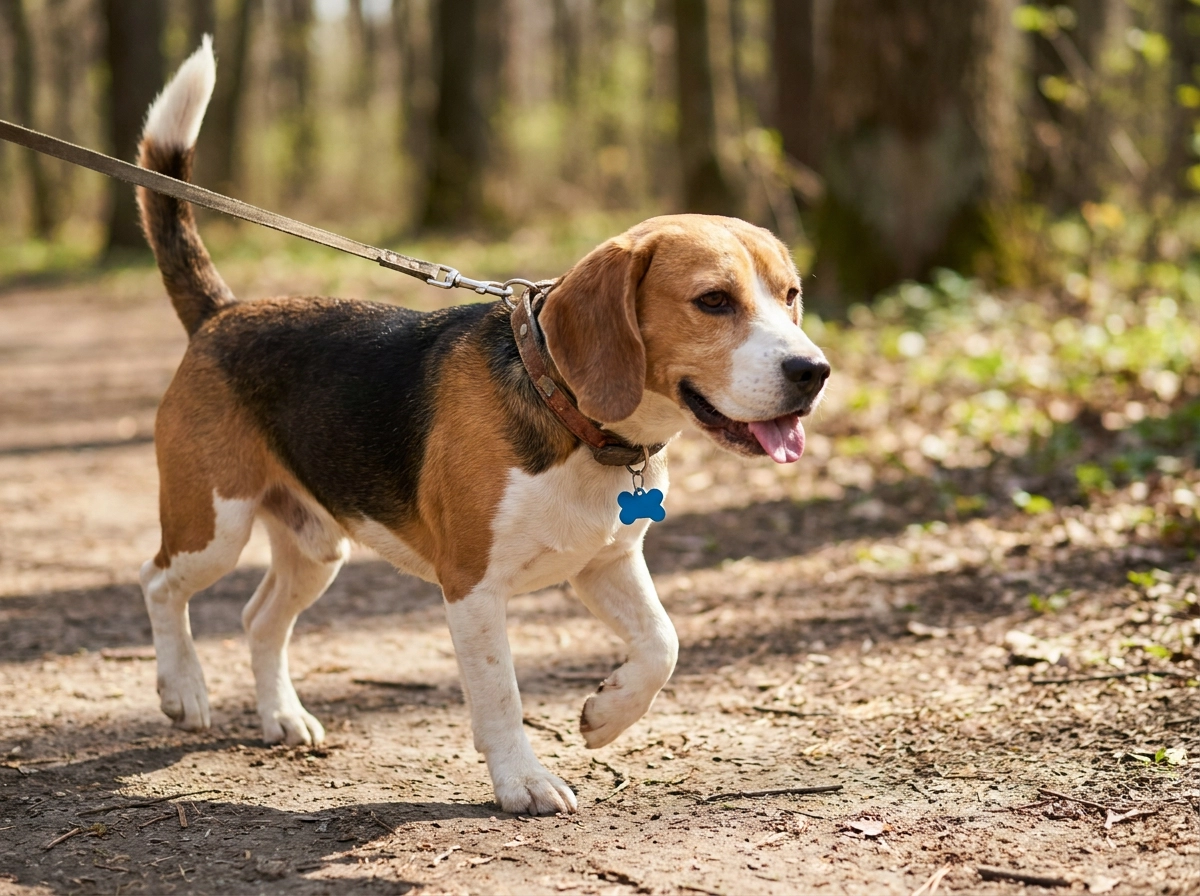
Off-lead exercise introduces a specific safety requirement. A beagle that locks onto a scent will run. Recall evaporates; traffic, fences, and boundaries cease to register. An unfenced park or open field is a genuine hazard, not merely a training inconvenience. Off-lead time must take place in a fully enclosed, secure space, every time. For a detailed breakdown of how to structure daily activity, Woefkesranch’s guide on how much exercise a Beagle needs covers session formats and intensity by age.
Physical exercise alone is not sufficient. The beagle’s primary cognitive drive is olfactory. Nose-work games, laid scent trails, and puzzle feeders engage that drive directly, and they reduce problem behaviours more effectively than simply extending walk time. A tired nose produces a calmer dog.
When exercise and mental stimulation are both inadequate, a predictable cluster of behaviours emerges: excessive howling, furniture destruction, escape attempts, and compulsive overeating. Owners frequently present these as separate problems. They share a single cause.
Urban owners are not disqualified from beagle ownership, but they must plan deliberately. Reliable access to a securely enclosed park or private garden is a practical prerequisite before acquiring the dog, not a problem to solve after arrival.
For puppies, the adult target cannot be applied immediately. Developing joints require protection; follow your vet’s guidance on gradual progression until the dog reaches physical maturity.
Beagle Vocalization: Howling, Baying, and the Neighbour Question
The beagle produces three distinct vocalizations: a standard bark, a short yelp triggered by excitement, and the hunting bay. The bay is in a different category entirely. It is a prolonged, resonant howl bred to carry across open countryside, audible at distances that make it wholly unlike ordinary dog barking. It is the sound that generates noise complaints, not the bark.
The bay is instinctive, not learned. It fires in response to scent detection, excitement, loneliness, or alarm. Training cannot switch it off. Consistent routine, sufficient daily exercise, and environmental enrichment can reduce its frequency and intensity, but any owner expecting to eliminate it through obedience work will be disappointed. For a full breakdown of how these vocalizations differ in character and trigger, the types of Beagle vocalisation guide covers each in practical detail.
For UK buyers in terraced housing or flats, this is a genuine compatibility risk, not a minor consideration. Dog noise is actionable under UK statutory nuisance law; neighbours do not need a solicitor to pursue a complaint through a Magistrates’ Court under Section 82 of the Environmental Protection Act 1990. Assess your housing situation honestly before purchase.
Prolonged baying during alone time is among the most cited reasons beagles are surrendered to rescue centres. Gradual alone-time conditioning started in puppyhood, building tolerance incrementally before absence becomes a routine, is one of the most effective things a new owner can do early.
Finally, do not rely on a puppy visit alone to assess this. Eight-week-old beagles rarely bay. Visit the breeder and observe the adult dogs. What you hear from the parents is what you are bringing home.
Training a Beagle: What Works, What Does Not, and Why
Vocalization is often the challenge that surprises new owners most, but training is where many make their most costly mistakes.
Beagles are not difficult to train because they lack intelligence. They are difficult to train because they are selectively attentive. A beagle will learn a new command in a handful of repetitions when the reward justifies the effort. The moment a more compelling scent drifts past, that command ceases to exist. Understanding this distinction changes everything about your approach.
Recall is the highest-stakes skill you will work on, and the one where realistic expectations matter most. Achieving reliable recall requires high-value food rewards (cooked chicken or cheese, not standard kibble), consistent long-line work before any off-lead freedom is attempted, and honest acceptance that some beagles will never achieve 100% reliable recall in open, unsecured spaces. Training your beagle with this in mind from day one produces far better outcomes than discovering the ceiling later.
Positive reinforcement with food rewards is the consistently recommended method for this breed; correction-heavy approaches are widely considered counterproductive for scent hounds. They do not improve compliance. They make the problem worse.
Prey drive is the single root cause behind most beagle behavioural challenges. Counter surfing, fence testing, chasing small animals, selective hearing on walks: these are not separate problems requiring separate solutions. They are the same scent-and-pursuit instinct expressing itself in different situations. Address the instinct through management and structured outlets rather than attempting to suppress each symptom individually.
Socialisation between 8 and 16 weeks is non-negotiable, and is the standard window recognised by canine behaviour practitioners. Exposure to varied people, environments, sounds, and other animals during this period is one of the highest-value investments a new owner can make. Skipping or skimping on it is one of the highest-cost decisions a new owner can make.
Finally, the beagle’s natural drives make it genuinely well-suited to structured activities: scent work competitions, tracking, and agility all provide exercise, mental engagement, and a constructive outlet simultaneously.
Beagle Health, Lifespan, and Breed-Specific Conditions to Know
Beyond training, a beagle’s working-dog constitution gives it a meaningful health advantage over many modern breeds shaped by ornamental selection. Life expectancy runs 10 to 15 years, and the breed’s functional origins have kept it largely free from the structural exaggerations that drive chronic suffering in some pedigree lines.
That said, several health realities demand active management rather than passive optimism.
Obesity is a significant and preventable risk for beagles. The breed’s scent-and-reward drive extends directly to food; a beagle given free access to its bowl will overeat reliably and without self-regulation. Weight gain accelerates joint stress, worsens spinal conditions, and shortens lifespan. Measured portions, no free-feeding, and monthly weight checks are not optional extras but lifelong requirements for this breed.
Conditions to screen for include:
- Hypothyroidism and epilepsy, both documented as common problems in the breed, with DNA testing available for certain epilepsy variants
- Intervertebral disc disease (IVDD), which affects the spine and is linked to the breed’s compact, muscular build
- Chinese Beagle Syndrome (CBS) is referenced in some breed literature; confirm current recognition status with your vet or the National Beagle Club before discussing it with breeders
Reputable breeders will provide documented health screening results for both parent dogs. Ask for certificates by condition name rather than accepting a general assurance. You can review detailed breed health information and frequently asked questions before speaking to any breeder.
Ear health demands weekly attention. The floppy ear conformation restricts airflow beneath the ear flap, creating warm, moist conditions that favour chronic otitis. Regular checks and cleaning are straightforward but cannot be skipped.
Eye conditions including glaucoma, progressive retinal atrophy, and cherry eye occur at elevated rates in beagles relative to the broader dog population. Annual veterinary eye examinations should be standard, not reactive.
Finally, budget for cover before collection. Pet insurance for a beagle in the UK varies considerably by region and policy level; check current UK insurer quotes for an accurate monthly figure before finalising your budget.
The Real Cost of Owning a Beagle: Puppy Price to Lifetime Budget
Those health costs add up quickly, and the insurance premium is only one line item in a much longer budget. Here is what full beagle ownership actually costs.
The figures below are indicative estimates based on current UK market conditions; verify current prices with breeders, insurers, and vets before budgeting.
Puppy price from a health-tested, Royal Kennel Club-registered breeder in the UK or Luxembourg region typically sits between £1,000 and £2,000 (verify with registered breeders). Prices below that threshold are a warning sign, not a bargain; they frequently reflect absent genetic screening, inadequate socialisation environments, or high-volume commercial breeding. The full breakdown of what drives beagle puppy pricing in the first year illustrates exactly where that cost is allocated by responsible breeders.
First-year setup costs beyond the purchase price routinely add a substantial sum, typically in the range of £1,500 to £2,500 (verify current figures with vets and suppliers). Vaccinations, microchipping, neutering or spaying, veterinary registration, crate, bedding, lead and harness, puppy classes, and initial food supplies all fall within this window. Buyers who budget only for the puppy price are already underfunded before the first vet visit.
Annual ongoing costs cover food, routine veterinary care, insurance, grooming, and boarding. Beagles tend toward the higher end of the medium-dog range for two specific reasons: their appetite-driven food consumption requires measured portions of quality food rather than budget dry kibble, and their ear conformation creates recurring veterinary or at-home care costs that other medium breeds rarely incur.
Behavioural training is the most commonly underestimated budget line. Beagles prone to separation anxiety or recall problems may require professional trainer input, which can represent a significant expense in the first two years. Given the breed’s pack instincts and scent-drive tendencies, this is a probable expense, not a contingency one.
Lifetime total across all categories, over a 10-to-15-year lifespan, is substantial. Obtain current figures from your insurer, vet, and preferred breeder to build an accurate projection before committing.
Space, Housing, and Lifestyle Fit: Can a Beagle Live in Your Home?
Financial commitment and lifestyle fit are two separate questions, and cost alone does not determine whether a beagle belongs in your home.
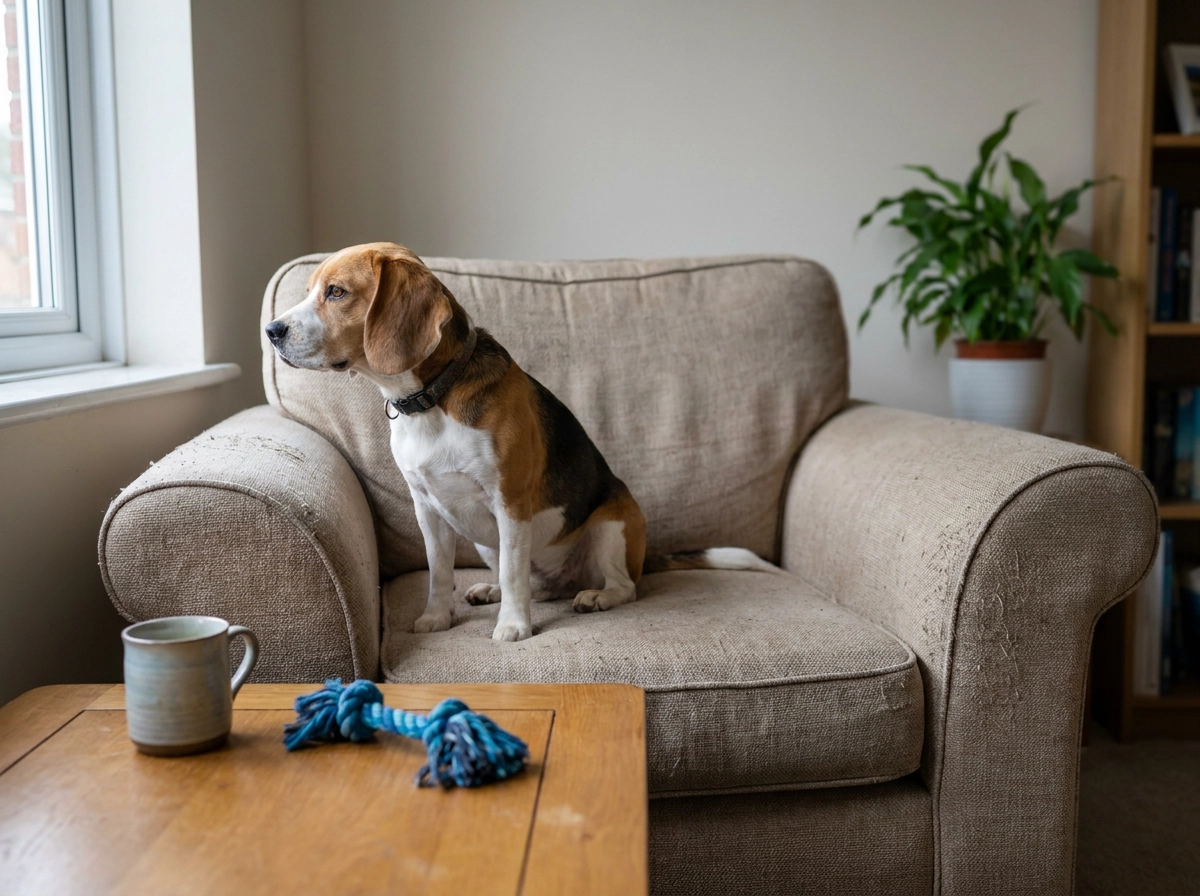
Size does not equal low energy. A beagle’s compact frame is physically compatible with flat or apartment living, but its energy output is not. As covered in the exercise section, the living space is not the problem, the exercise commitment is. For a fuller breakdown of what apartment ownership actually requires day-to-day, the dedicated guide to whether a beagle can live in an apartment covers the specifics in detail.
Gardens help, but only if secured properly. A private garden is a genuine advantage, not a substitute for walks. Any garden without fencing sufficiently high and secure to prevent a determined scent hound from jumping or pushing through is operationally equivalent to no garden at all; check current UK breed club guidance for specifics. A scent-driven beagle will test every boundary it finds, and a low fence or unsecured gate is a solved problem from the dog’s perspective. Unfenced gardens should not be counted as exercise provision.
Environment shapes risk, not suitability. Rural settings align well with the beagle’s instincts, but livestock chasing and unsecured road access are elevated hazards that owners must manage actively. Urban environments offer more controlled routes but demand a realistic noise management plan; the beagle’s bay carries well beyond terraced walls.
Multi-pet households require honest assessment. Adult beagles raised alongside cats generally coexist without serious conflict. Introducing a beagle into an established cat household later in life carries meaningfully higher risk due to prey drive, and managed introductions are essential rather than optional.
The clearest compatibility test is this: active households with children, regular outdoor access, and enclosed exercise space are strong matches. Long working hours without dog-care cover, noise-sensitive neighbours, or the expectation of a low-maintenance companion are reliable indicators that the breed will struggle in your home.
How to Find a Reputable Beagle Breeder: What to Check Before You Buy
Once you have confirmed that your home and lifestyle are genuinely suited to a beagle, the next question is where to source one responsibly.
Royal Kennel Club registration is a starting point, not a seal of approval. Registration confirms a litter has been recorded; it does not guarantee health testing was completed or that you should skip your own due diligence. Treat registration as the minimum threshold, then do the work yourself.
What a reputable breeder does:
- Provides documented health screening results for both parent dogs, covering conditions relevant to beagles including hypothyroidism, epilepsy, and eye assessments. Ask for each test by name rather than accepting a general assurance of health; breeders who cannot name the specific tests are unlikely to have carried them out.
- Invites unrestricted on-site visits so you can see puppies with their mother, in the environment where they were raised.
- Asks you substantive questions about your experience, working hours, and living situation before agreeing to sell.
Red flags to walk away from:
- Puppies available immediately, with no waiting list
- Refusal to allow visits to the premises
- Absence of health certificates for the parents
- Multiple breeds advertised simultaneously
- Puppy prices significantly below the regional average (verify the current typical range with registered breeders before shopping)
Woefkesranch is a Luxembourg-based breeder offering beagle puppies alongside transparent breed information and a responsible placement approach. Buyers based in the UK should confirm directly with the breeder that cross-border health documentation and transport can be arranged in compliance with current EU and UK pet travel regulations, which changed following Brexit and require specific microchipping, vaccination, and health certification steps.
Rescue adoption is a credible alternative and should not be dismissed. UK beagle rescue organisations regularly have adult dogs available, and an adult dog’s temperament is fully visible in a way an eight-week puppy’s is not. For buyers who are open to skipping the puppy stage, a rescue beagle with a known behavioural profile can be a lower-risk route into ownership.
Is a Beagle the Right Dog for You? A Straightforward Assessment
Once you have verified a breeder and understood what responsible ownership involves, the final question is the most direct one: does this breed actually fit your life?
A beagle is likely a strong match if your household:
- Has genuine availability for substantial daily outdoor exercise across multiple sessions
- Has access to securely fenced space for off-lead activity
- Includes children, given the breed’s robust and tolerant temperament
- Has prior dog ownership experience, or a firm commitment to professional training investment from the outset
- Can accommodate regular baying without triggering conflict with neighbours
A beagle is likely a poor match if your household:
- Involves long unattended hours without dog-care cover in place
- Is in noise-sensitive terraced or flat housing without a clear management plan
- Expects reliable off-lead freedom in unfenced open spaces
- Is seeking a calm, low-maintenance companion breed
The beagle’s reputation as one of the best dog breeds for family life is well-earned, but only where the family’s actual routine matches the breed’s real demands rather than its marketed cheerfulness.
If you have read this guide and feel more cautious than you did at the start, that response is entirely appropriate. Buying a beagle with a clear, unsentimental understanding of its needs produces better outcomes for both owner and dog than buying on charm alone.
It is also worth comparing the beagle directly against similar breeds before committing. These are widely observed general tendencies; consult individual breed guides before making a final decision. A reputable breeder will welcome that comparison openly, because a well-matched placement is always the goal.
Final Verdict: What Every Beagle Buyer Should Do Before Committing
If the previous section helped you reach a verdict, this one tells you what to do with it.
Before any puppy visits, run an honest audit against three non-negotiables: substantial daily exercise across multiple sessions, a realistic plan for managing baying in your specific housing situation, and an alone-time solution in place before the dog arrives. All three must be resolved in advance, not retrofitted after purchase.
Budget from the full picture. The figures across this guide represent a planning baseline, not a worst-case projection. First-year costs, ongoing annual expenses, and a 10-to-15-year lifetime commitment all add up to a figure that demands honest budgeting. Factor insurance, training, and veterinary care in from the outset and verify current figures before committing.
Visit at least two breeders in person, observing adult dogs rather than relying solely on the puppies in front of you. What the adults do tells you far more than what the breeder says.
If working through this guide has strengthened rather than cooled your interest, that is a meaningful signal. Buyers who understand the exercise demands, the vocal profile, and the stubbornness of a scent hound before committing are precisely the owners beagles reward. The breed’s affection, energy, and sociable nature are genuine, and they become genuine advantages rather than incidental bonuses when the surrounding lifestyle genuinely supports them.
Woefkesranch offers beagle puppies alongside detailed breed resources designed for buyers who want to make informed decisions rather than enthusiastic ones. Exploring their current availability is a practical next step for anyone whose assessment ends here with confidence rather than doubt.
Conclusion
Beagles are rewarding, sociable, and genuinely affectionate dogs, but they are not the right fit for every household. Matching your lifestyle to the breed’s actual requirements is the single most important step you can take before committing.
The guide above gives you everything needed to make that assessment honestly.
